7x10 Multicolor Recycled Chaput Rug - 50256
Couldn't load pickup availability
ONLY ONE AVAILABLE
 One Of a Kind
 Handmade
 Natural Fiber
 Free Shipping
| Width | 6' 8'' (202 cm) |
| Length | 10' 4'' (316 cm) |
| Weft & Warp | Cotton,Hemp,Wool,Goat Hair,Textile |
| Manufacturer | Handmade |
| Age | 01-05 years |
| Thickness Approx | 0.59 |
| Origin | Turkish |
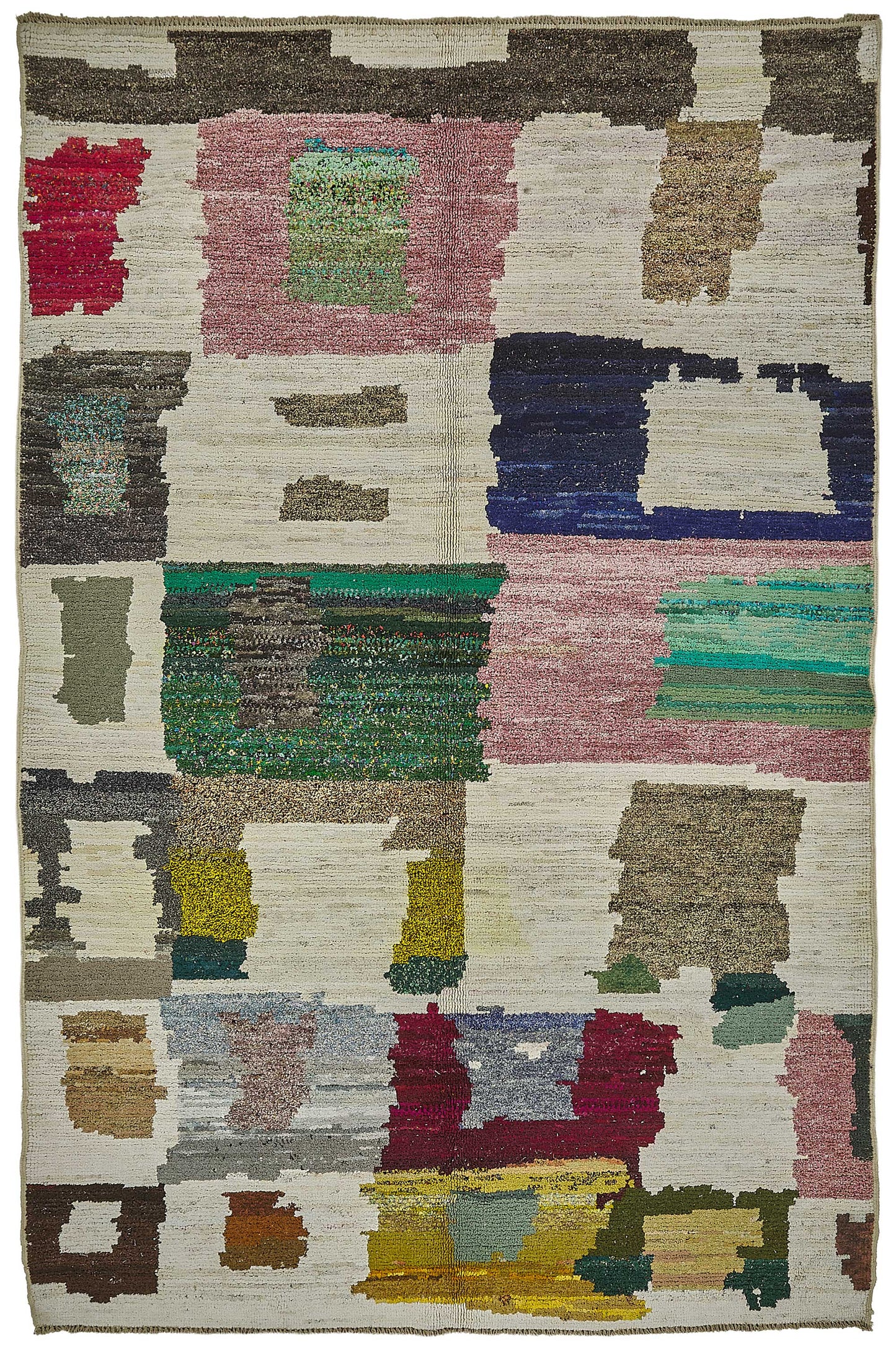
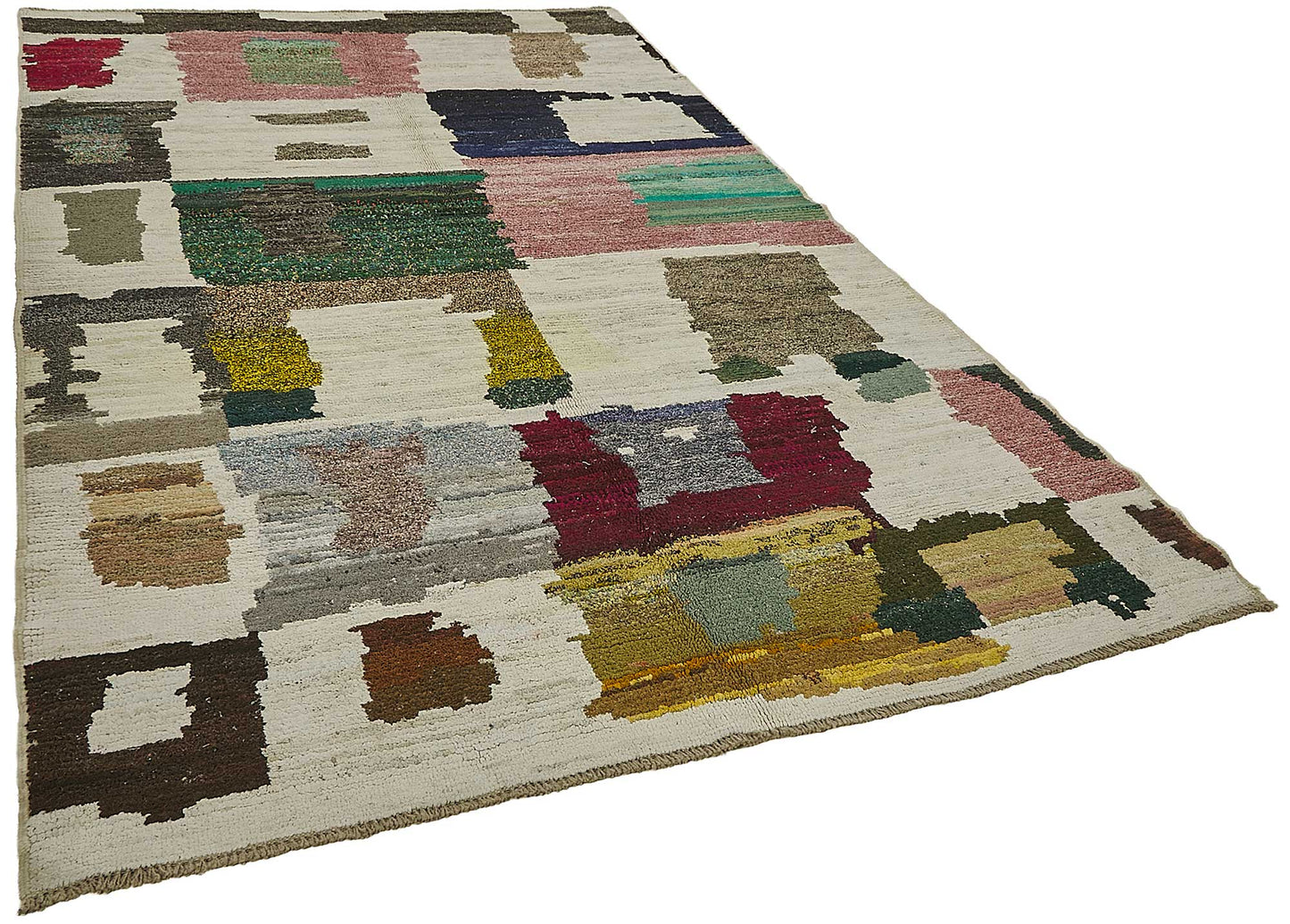
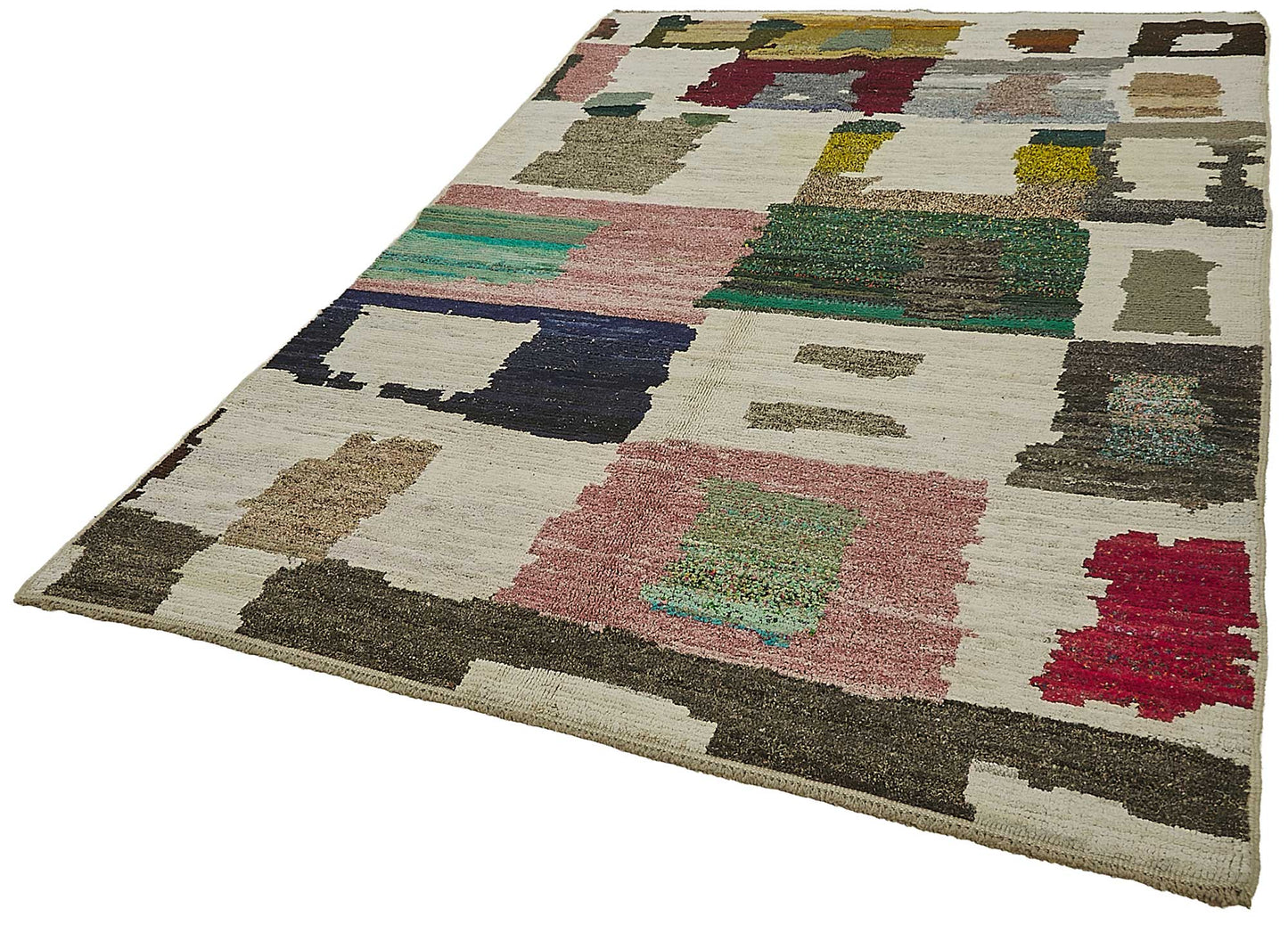
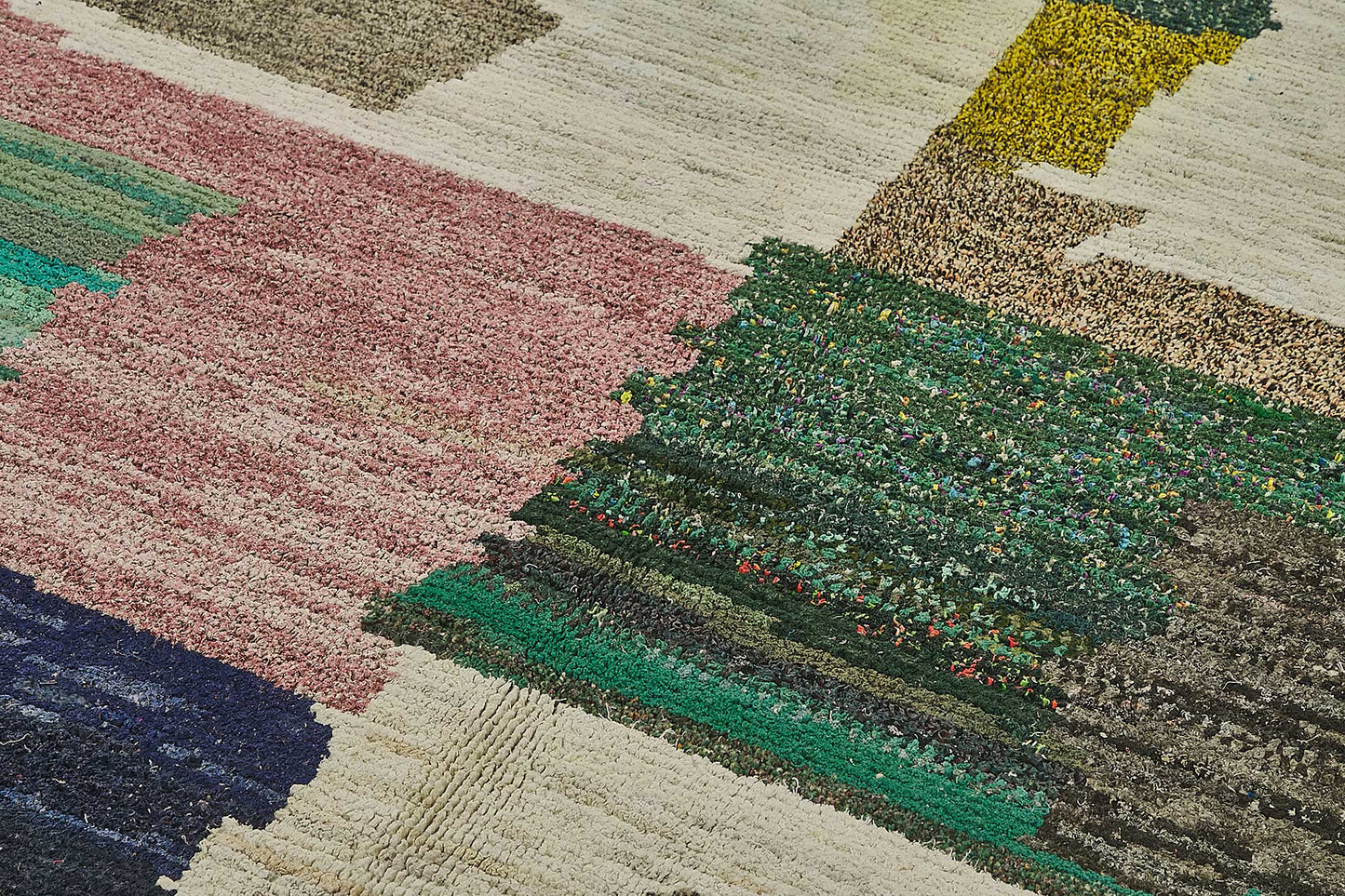
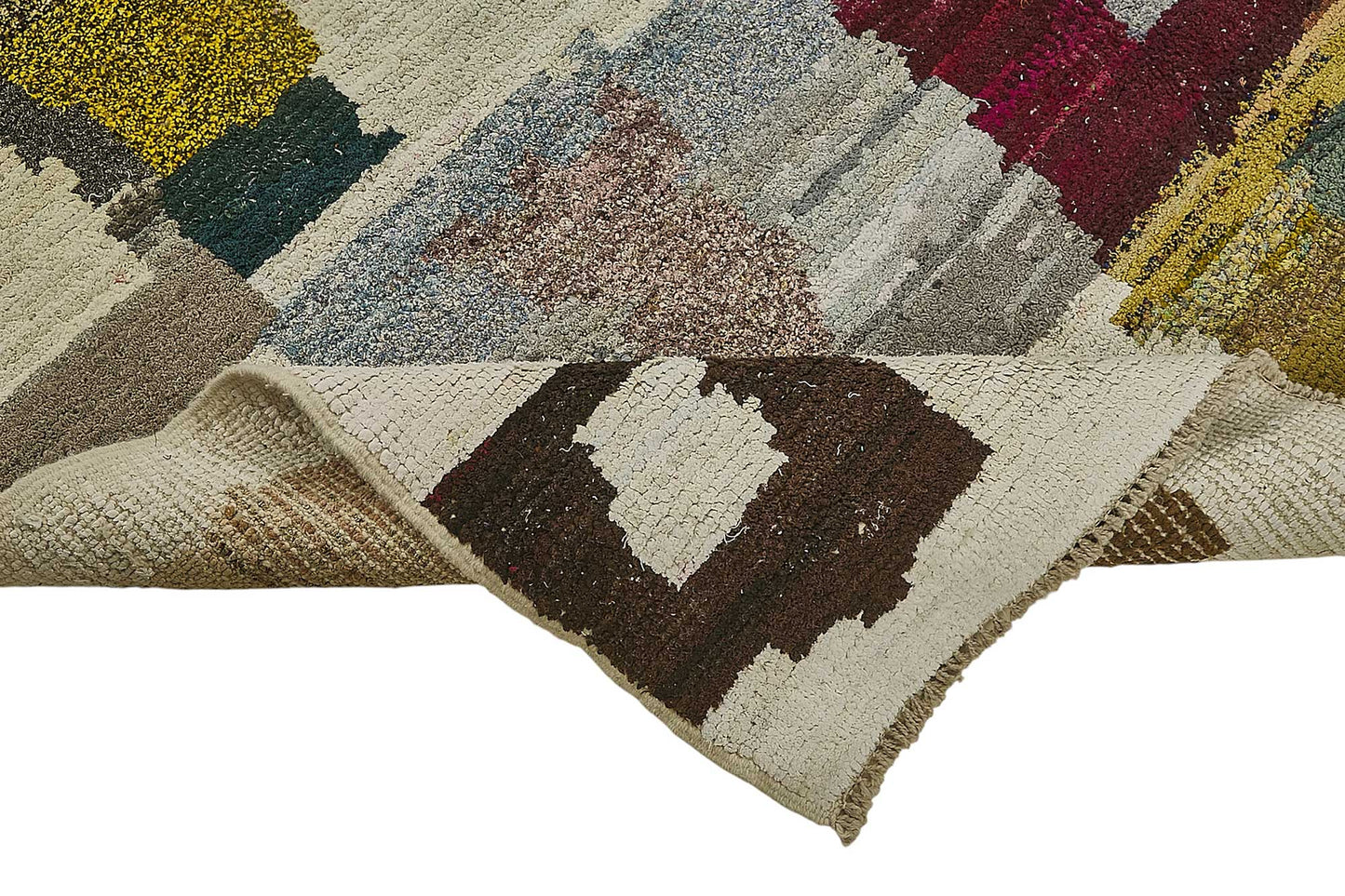
Created as a new rug from reclaimed Chaput yarns, this handwoven piece uses a softened, naturally varied palette with multicolor tones helping organize the overall composition. The result is a contemporary recycled rug with visible texture, natural variation and the kind of irregularity that gives handmade weaving its character. The design is built around geometric sections and angular woven forms, giving the surface a clear contemporary rhythm. Because the recycled yarns differ slightly in thickness, tone and fiber content, the geometry feels hand-drawn and tactile rather than perfectly mechanical.
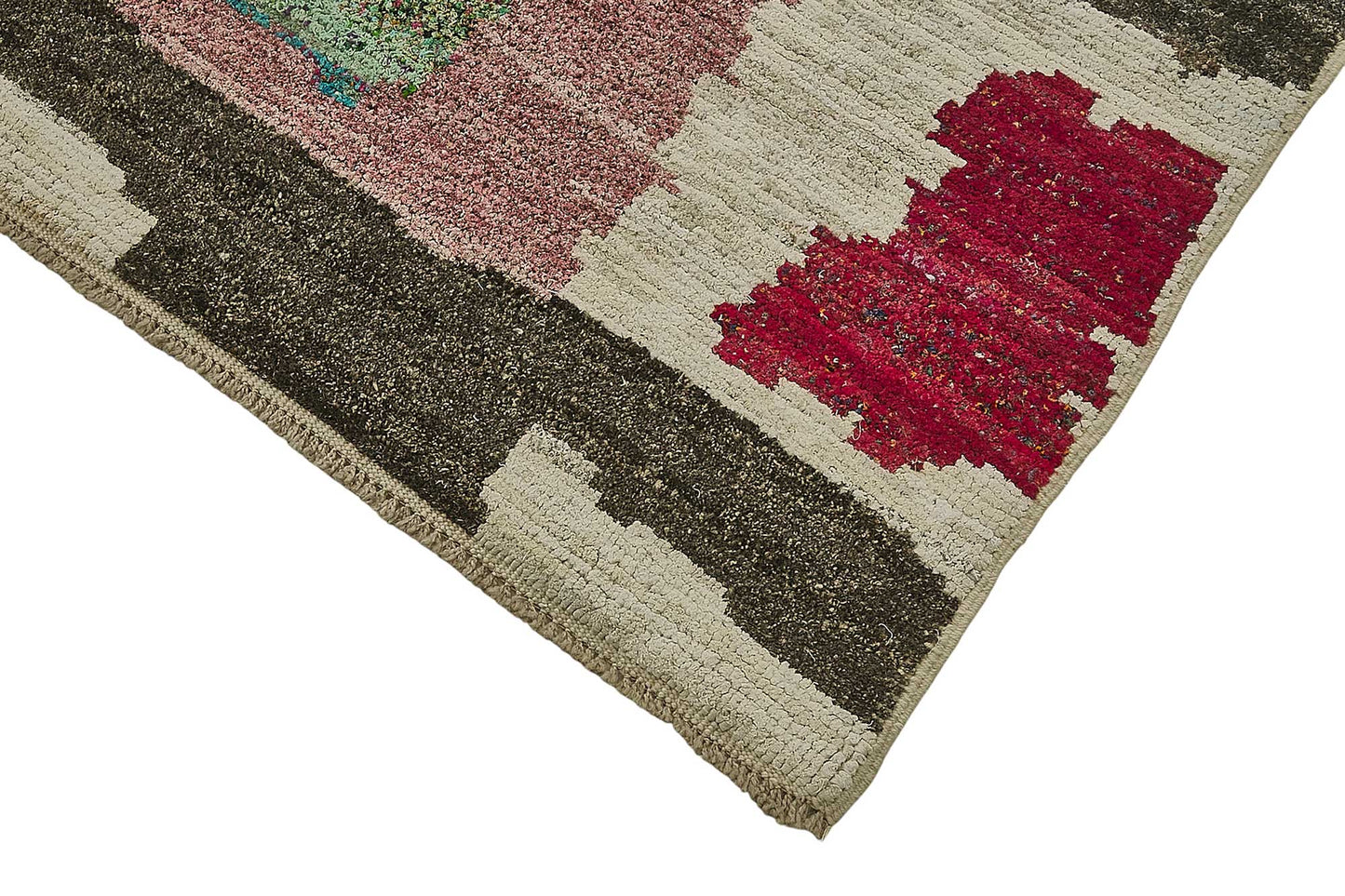
The starting point for this rug is a group of Chaput kilims that are taken apart so their yarns can be reused. The recovered fibers are selected, combined and handwoven again, transforming existing material into a new contemporary floor textile. Because the reclaimed yarns come from different Chaput pieces, the material blend can include wool, cotton, goat hair, hemp and other textile fibers. This mixed-fiber construction is part of the rug’s identity: each material reacts differently to light and touch, creating a surface with natural variation and depth.
The rug works especially well in contemporary, modern, eclectic and relaxed interiors where natural texture is as important as color. It can anchor a living room or bedroom, add warmth to a dining area, or introduce a distinctive handmade element to an otherwise minimal space. Small variations in color, line and texture are natural to both the reclaimed materials and the handwoven process, and they are part of what makes the rug visually individual.
No two rugs can be exactly the same, since the reclaimed Chaput yarns available for each weaving differ in color, fiber and thickness. This makes the finished rug a one-of-a-kind contemporary piece shaped by both traditional handweaving and a practical approach to material reuse.