6x12 Black Recycled Chaput Rug - 50306
Couldn't load pickup availability
ONLY ONE AVAILABLE
 One Of a Kind
 Handmade
 Natural Fiber
 Free Shipping
| Width | 5' 9'' (175 cm) |
| Length | 12' 4'' (376 cm) |
| Weft & Warp | Cotton,Hemp,Wool,Goat Hair,Textile |
| Manufacturer | Handmade |
| Age | 01-05 years |
| Thickness Approx | 0.59 |
| Origin | Turkish |
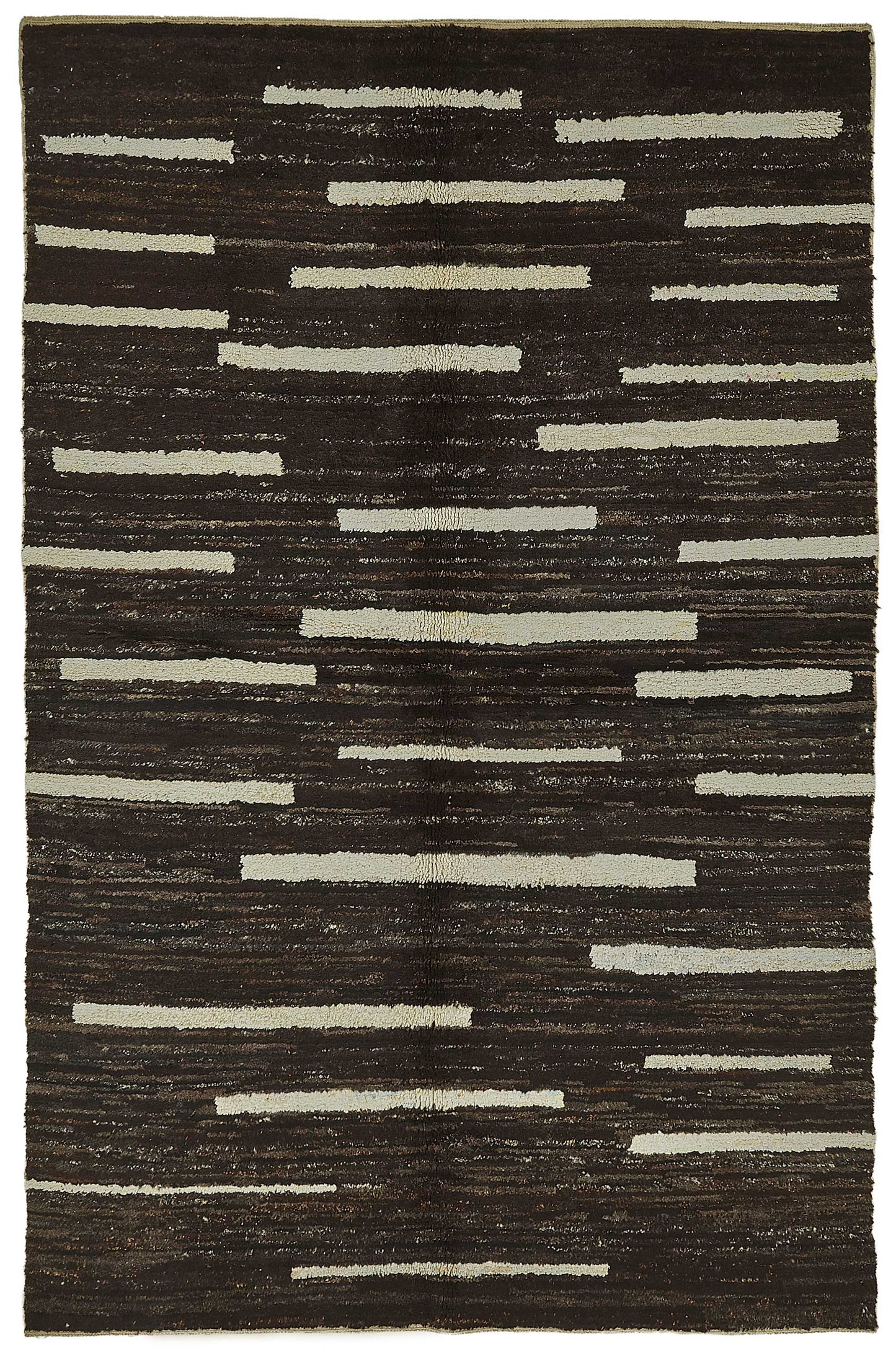
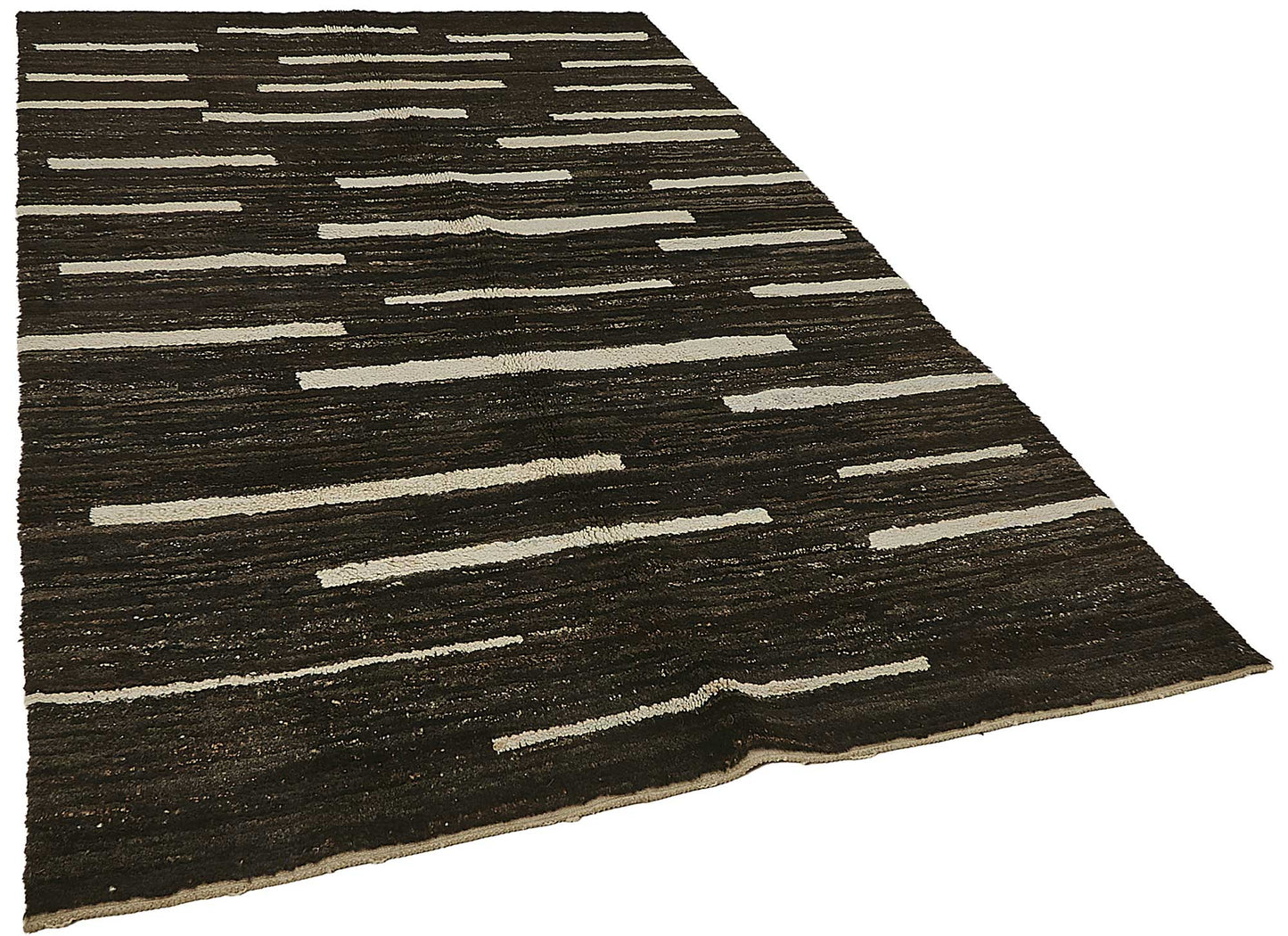
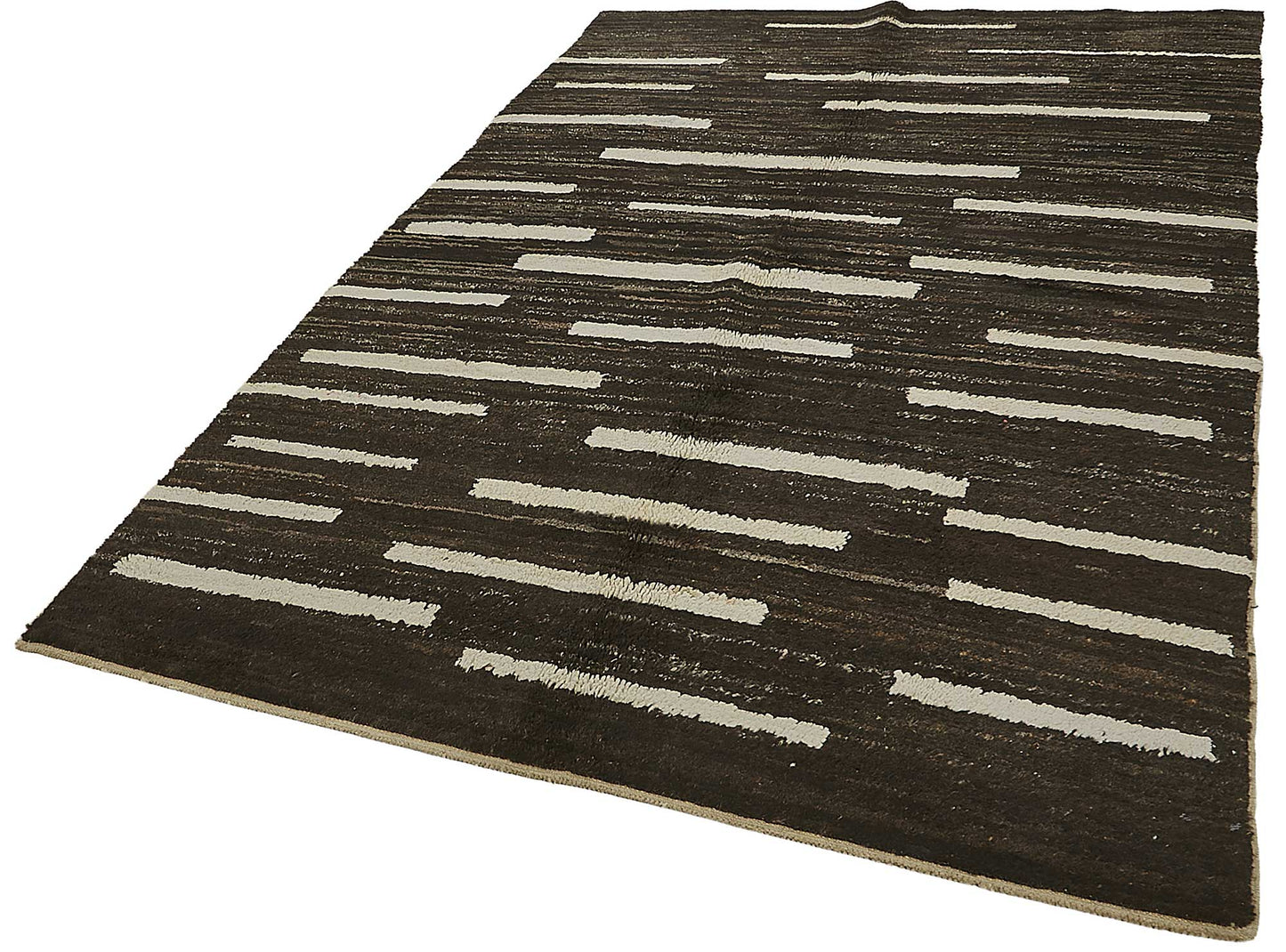
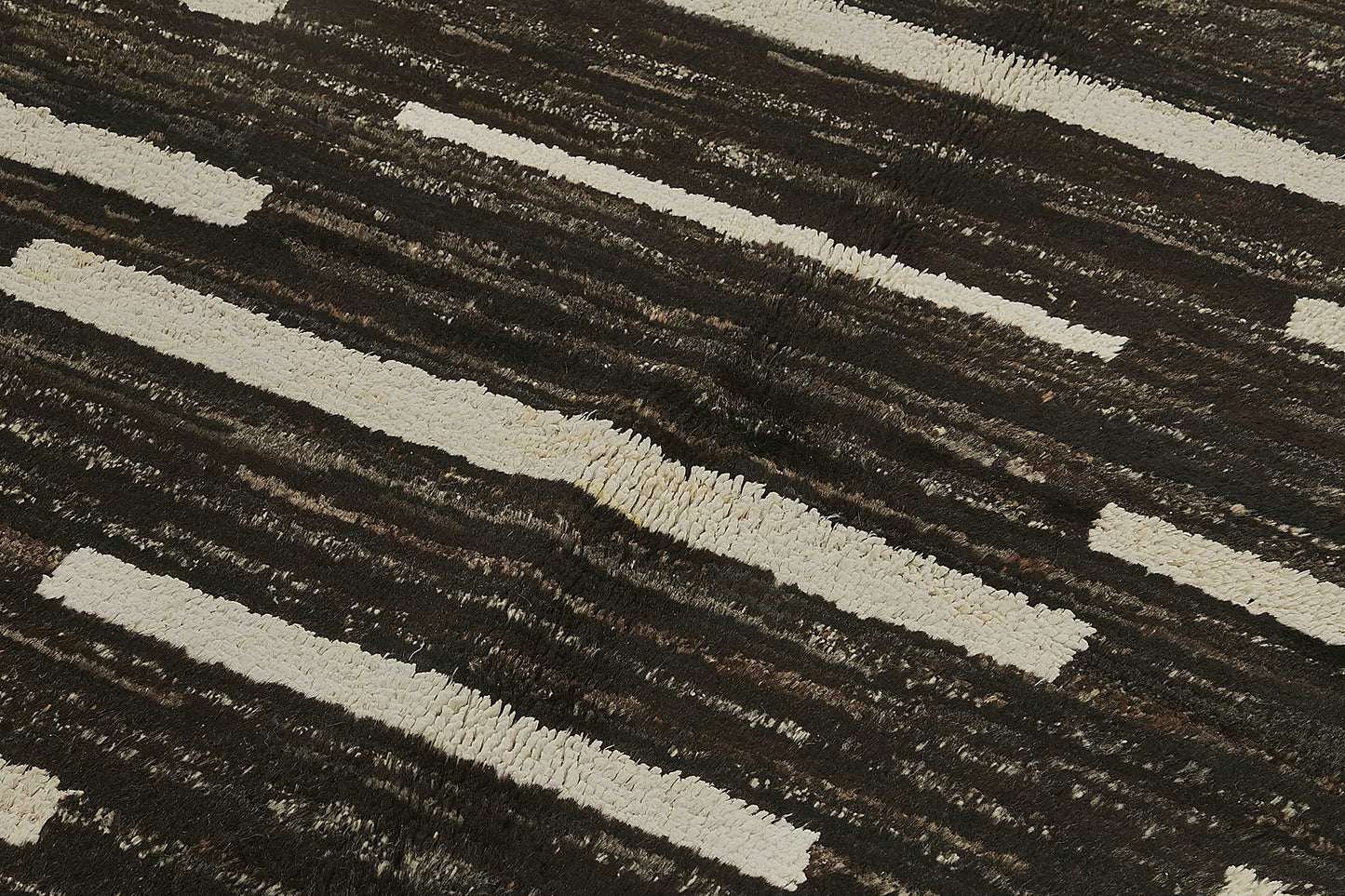
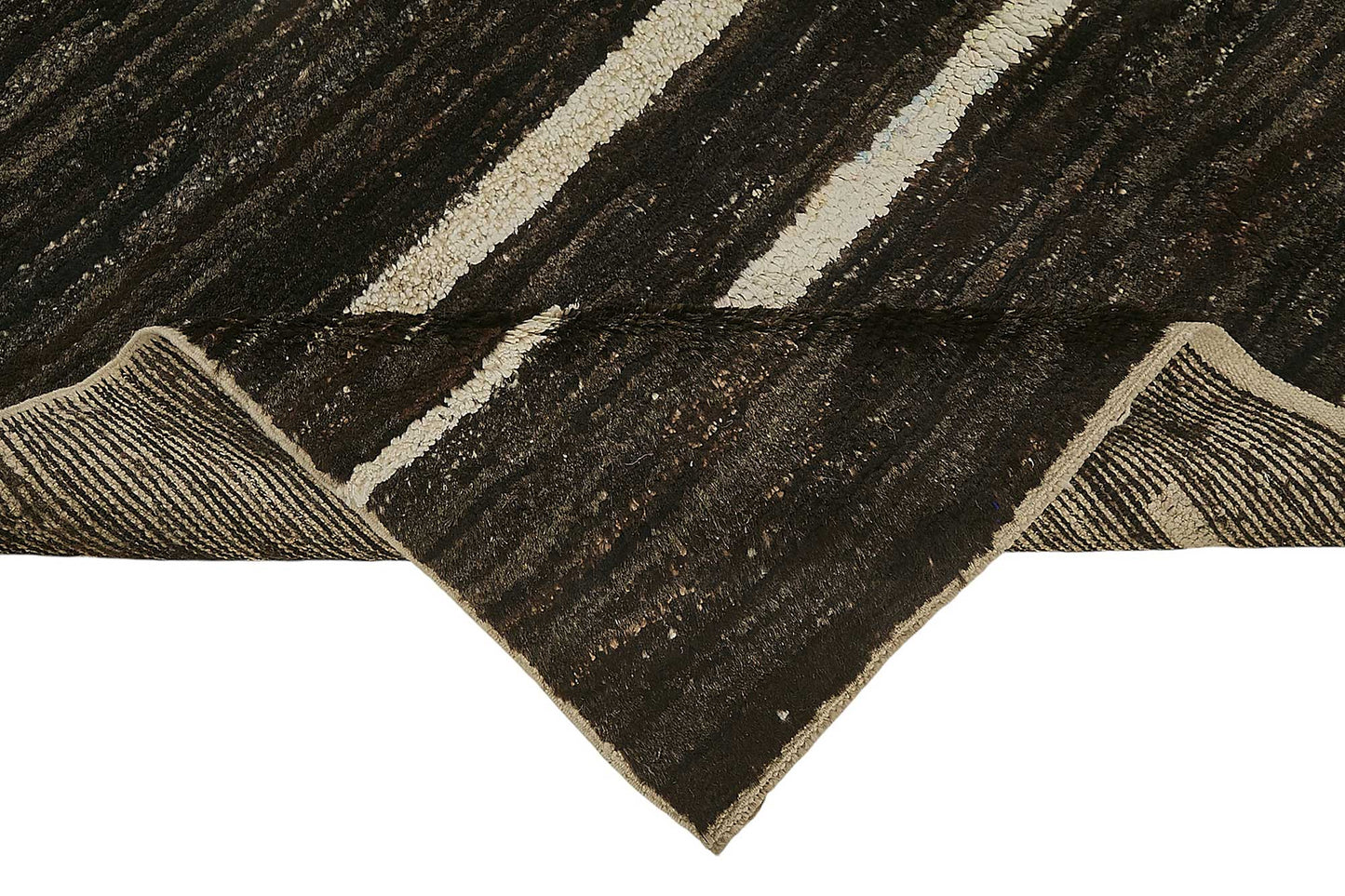
Created as a new rug from reclaimed Chaput yarns, this handwoven piece uses a softened, naturally varied palette with deeper woven sections that add contrast and visual weight. The result is a contemporary recycled rug with visible texture, natural variation and the kind of irregularity that gives handmade weaving its character. Geometric forms repeat across the full field in an all-over arrangement, creating movement from one end of the rug to the other. The pattern remains structured, but the varied recycled yarns soften the lines and give each section its own texture and tonal character.
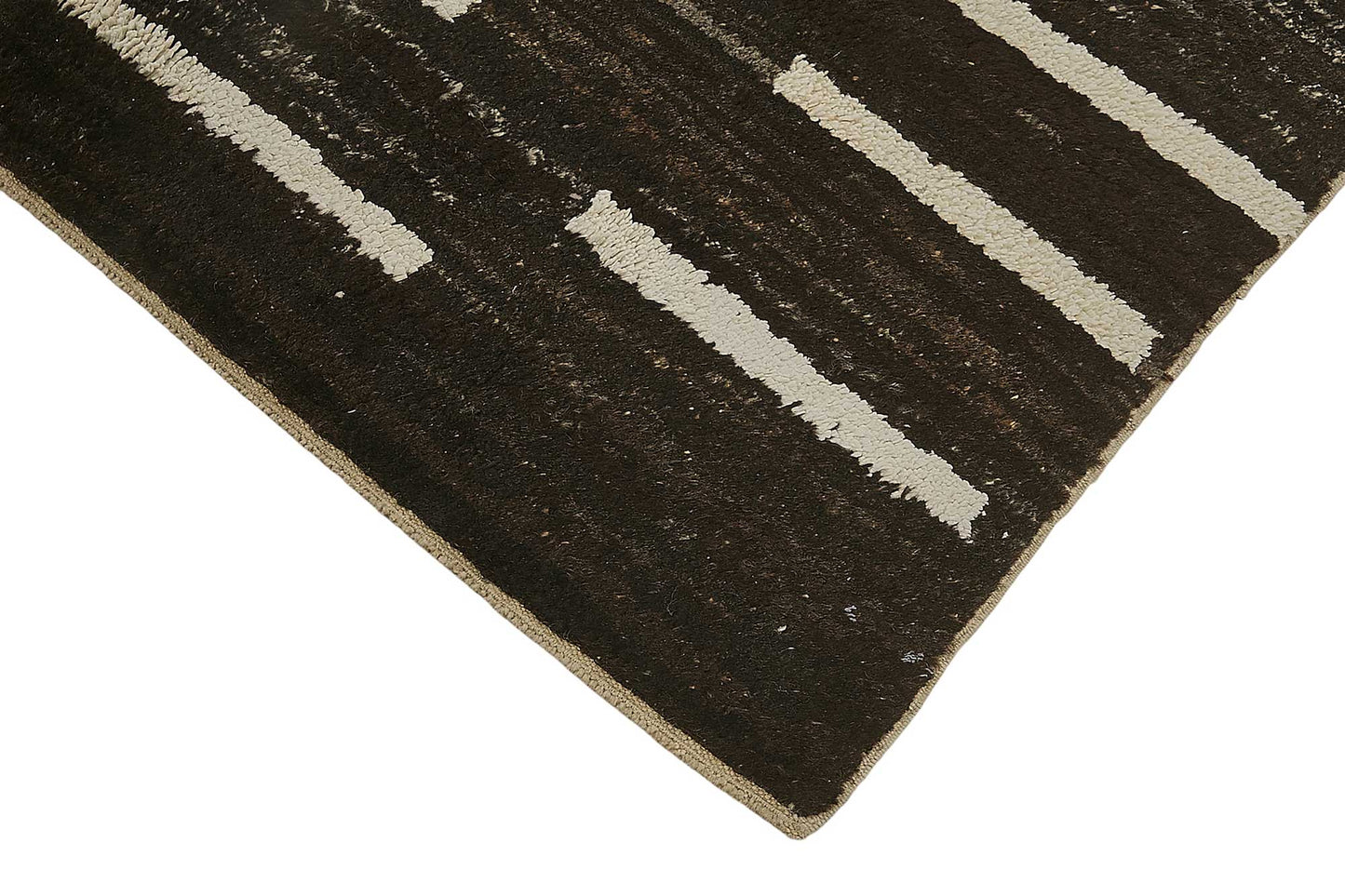
Its construction begins with Chaput kilims that are carefully dismantled to reclaim their yarns. The recovered material is then reorganized and woven by hand into a new rug, preserving useful fibers while creating an entirely different contemporary design. Because the reclaimed yarns come from different Chaput pieces, the material blend can include wool, cotton, goat hair, hemp and other textile fibers. This mixed-fiber construction is part of the rug’s identity: each material reacts differently to light and touch, creating a surface with natural variation and depth.
Its recycled construction makes it easy to style in modern and contemporary rooms, but the handmade texture also works beautifully with rustic wood, linen, leather and other natural materials. The rug can be used as a strong focal point or as a textured foundation beneath simpler furniture. Small variations in color, line and texture are natural to both the reclaimed materials and the handwoven process, and they are part of what makes the rug visually individual.
Every finished piece is different because the available reclaimed yarns, their colors and their fiber content vary from rug to rug. That variation is central to the appeal of this recycled Chaput kilim: it is not a reproduction, but a newly handwoven textile with its own material history and visual identity.