
The Magical Journey of a Hand-Knotted Rug: From Loom to Living Room

Hand-knotted rugs are true works of art, showcasing centuries of skilled craftsmanship and artistic tradition. What sets them apart is the painstaking process involved in their creation, where expert artisans tie thousands of individual knots by hand on vertical looms, resulting in intricate designs that convey stories.
The Process Behind Hand-Knotted Rugs
Crafting a hand-knotted rug involves several time-honored steps:
- Design Planning: Artisans carefully map out patterns on graph paper or digital formats
- Material Selection: Premium wool, silk, or blends are chosen and dyed
- Loom Setup: Warp threads are precisely stretched to form the foundation
- Knotting Process: Each knot is tied individually, row by row
- Finishing: Washing, trimming, and quality control complete the piece
The Artistry of Traditional Weaving Techniques
What makes these rugs truly special is the traditional weaving techniques passed down through generations. Unlike machine-made rugs, which lack character and uniqueness, hand-knotted rugs embody the artistry of their makers. Persian and Turkish rugs are prime examples of this heritage, showcasing distinct knotting styles and regional patterns.
The Complexity of Craftsmanship
The craftsmanship involved in creating a hand-knotted rug is nothing short of remarkable. Depending on the design complexity and size, a single rug can contain anywhere from 25 to over 1,000 knots per square inch. This meticulous work demands not only skill but also immense patience, often taking months or even years to complete.
More Than Just Floor Coverings
Hand-knotted rugs are more than mere decorative pieces; they are investments in artistry. With time, these rugs gain character and beauty, becoming cherished heirlooms that can be passed down through generations.
Caring for Your Investment
To ensure your hand-knotted rug retains its charm for years to come, regular professional cleaning and proper care are essential. By treating these pieces with love and respect, you can enjoy their timeless allure while preserving their legacy.
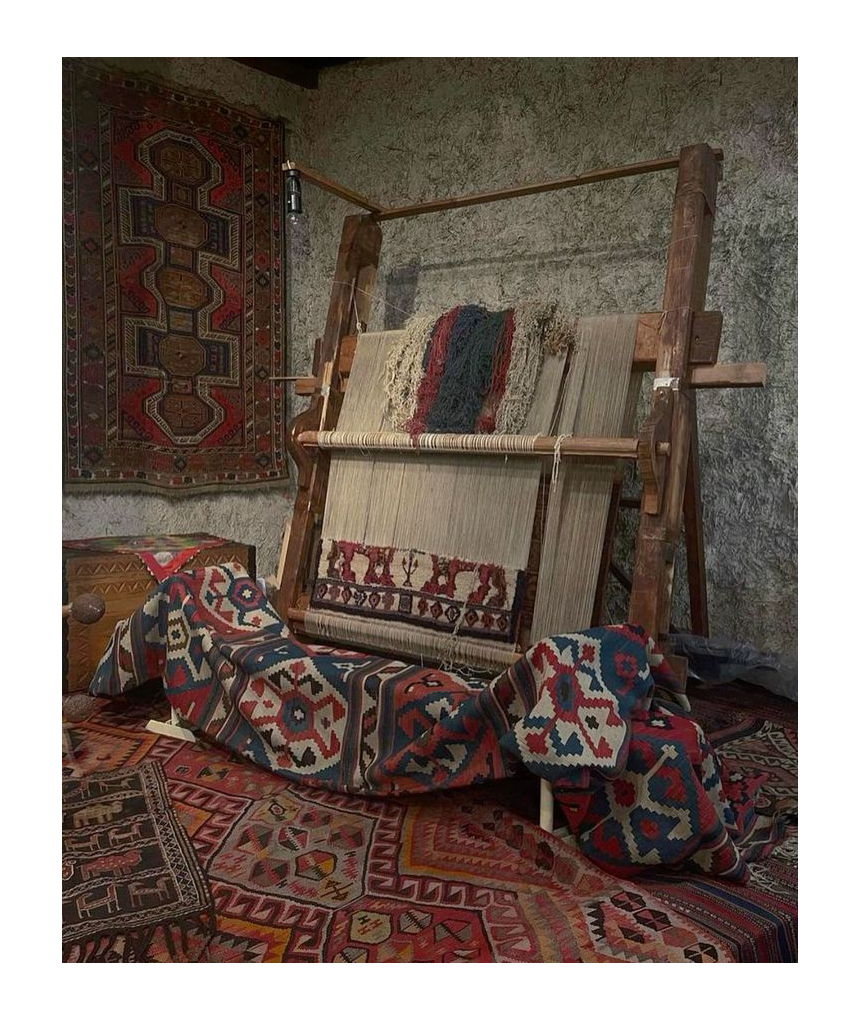
The Art of Hand-Knotting Rugs
Hand-knotted rugs are the epitome of artisanal craftsmanship, with each piece telling its own story through intricate designs and meticulous workmanship. Creating a single 9x12 rug involves tying thousands of individual knots by skilled artisans who have mastered techniques passed down through generations.
Why Handmade Rugs Are Special
The value of handmade rugs comes from their unique qualities:
- Imperfections That Make Them Special: Slight differences in knot tension and pattern alignment give each rug character
- Personal Touch in Every Design: Each artisan adds their own style to traditional patterns
- Built to Last: Hand-knotting creates a sturdier foundation
How Artisans Create Masterpieces
Artisan craftsmanship turns simple materials into works of art through:
- Precise knotting techniques
- Skillful interpretation of patterns
- Understanding of color combinations
- Awareness of size variations such as 8x11 rugs, 8x12 rugs, and 10x12 rugs
The Luxury of Hand-Knotted Rugs
Hand-knotted rugs are considered luxurious because:
"A hand-knotted rug is not just a floor covering - it's an investment in artistry that appreciates with time"
- Each piece takes months or years to make
- They are made from high-quality materials like wool, silk, and natural dyes
- Every rug is essentially a one-of-a-kind artwork
- With proper care, these rugs can last for generations
The Skill Behind Hand-Knotting
The art of hand-knotting requires patience, precision, and dedication. Artisans spend years honing their skills, gaining a deep understanding of how different knot densities impact pattern clarity and rug durability. This expertise allows them to create pieces that serve both functional and aesthetic purposes, featuring intricate medallion designs or bold geometric patterns.
They also produce various sizes such as the popular rectangular rugs known for their elegant and versatile designs.
Materials and Dyes Used in Hand-Knotted Rugs
The exceptional quality of hand-knotted rugs comes from the careful selection of materials and dyes used in their creation. Each component plays a vital role in crafting these enduring pieces of art.
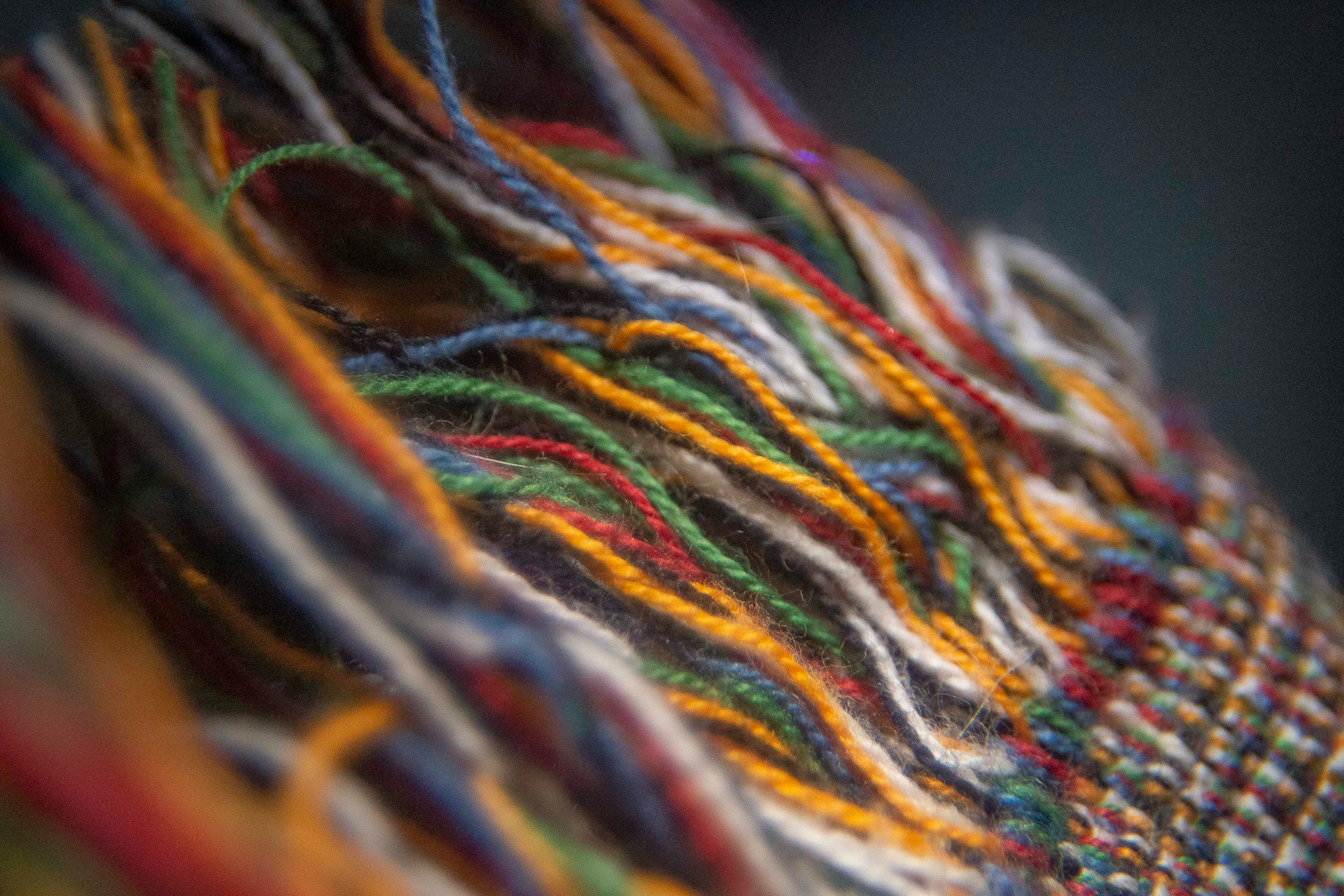
Premium Rug Yarns
The yarns used in hand-knotted rugs are of the highest quality, ensuring durability and beauty. Here are the main types of yarns used:
- Pure Wool: Sourced from high-altitude sheep breeds like Changthangi
- Natural Silk: Creates luminous highlights and intricate details
- Cotton: Used primarily for the foundation structure
- Wool-Silk Blend: Combines durability with luxurious sheen
Natural Dyes: Nature's Color Palette
Hand-knotted rugs derive their rich colors from natural sources:
- Indigo plants for deep blues
- Madder root for warm reds
- Pomegranate rind for earthy browns
- Cochineal insects for vibrant crimsons
These natural dyes penetrate deep into the fibers, creating colors that actually become richer with age - unlike synthetic dyes that fade over time.
The Wool Advantage
Wool stands as the premier choice for hand-knotted rugs, offering unmatched benefits:
- Natural stain resistance
- Built-in temperature regulation
- Superior resilience to foot traffic
- Inherent flame-retardant properties
- Ability to maintain shape for decades
The lanolin content in wool provides natural protection against spills and dirt, while its microscopic scales create an interlocking effect that enhances the rug's structural integrity. High-quality wool from specific sheep breeds contains longer fibers, resulting in stronger yarns that can withstand the rigorous knotting process.
The combination of premium wool and natural dyes creates rugs that not only showcase stunning artistry but also stand the test of time. These materials work together to produce pieces that develop a beautiful patina, becoming more valuable with each passing year.
If you're looking for such exquisite pieces, you might want to explore our collection of 9x12 and larger handmade rugs, featuring elegant and luxurious designs perfect for grand spaces.
Loom Setup and Weaving Techniques: Unveiling the Craftsmanship Behind Hand-Knotted Rugs
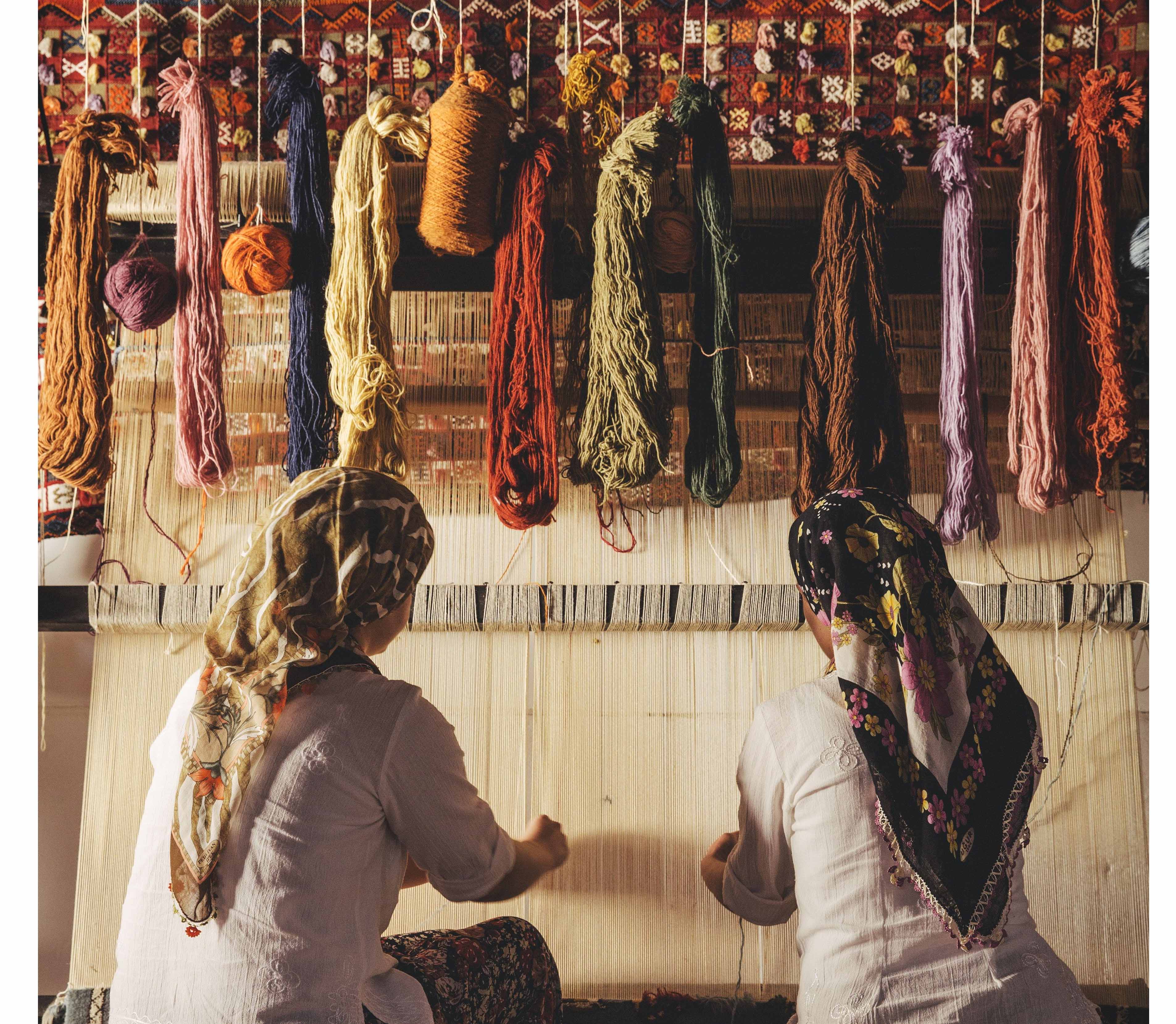
The rug loom is an essential tool for making hand-knotted rugs. A traditional vertical loom has two main parts:
- Primary Beams: Horizontal cylinders at the top and bottom that hold the warp threads
- Side Supports: Vertical posts that maintain tension and stability
Warping: The Foundation of Rug-Making
The first step in setting up the loom is warping, which involves stretching cotton or wool threads vertically between the primary beams. These threads form the base of the rug, determining its width and strength.
Knotting Techniques
Hand-knotted rugs mainly use two different knot styles:
- Persian Knot (Senneh)
- Asymmetrical structure
- Creates denser patterns
- Allows for intricate curvilinear designs
- Common in Persian and Indian rugs
- Tibetan Knot
- Wrapped around a metal rod
- Cut to create uniform pile height
- Produces distinctive texture
- Popular in contemporary designs
Each knot is tied individually around pairs of warp threads, with skilled artisans tying up to 10,000 knots per day. The density of knots - measured in KPSI (knots per square inch) - directly impacts the rug's detail level and value.
Weaving: Building the Rug Row by Row
Between each row of knots, weavers insert weft threads and press them down with special combs. This technique secures the knots in position and constructs the rug gradually, one row at a time. The combination of precise loom setup and expert knotting methods forms the basis for intricate patterns that characterize hand-knotted rugs.
Such craftsmanship is evident in our collection of hand-knotted 9x12 rugs, available in Turkish, Anatolian, and oriental styles, perfect for enhancing living rooms, bedrooms, or offices with timeless beauty.
The Journey of Creating a Hand-Knotted Rug: From Design to Reality
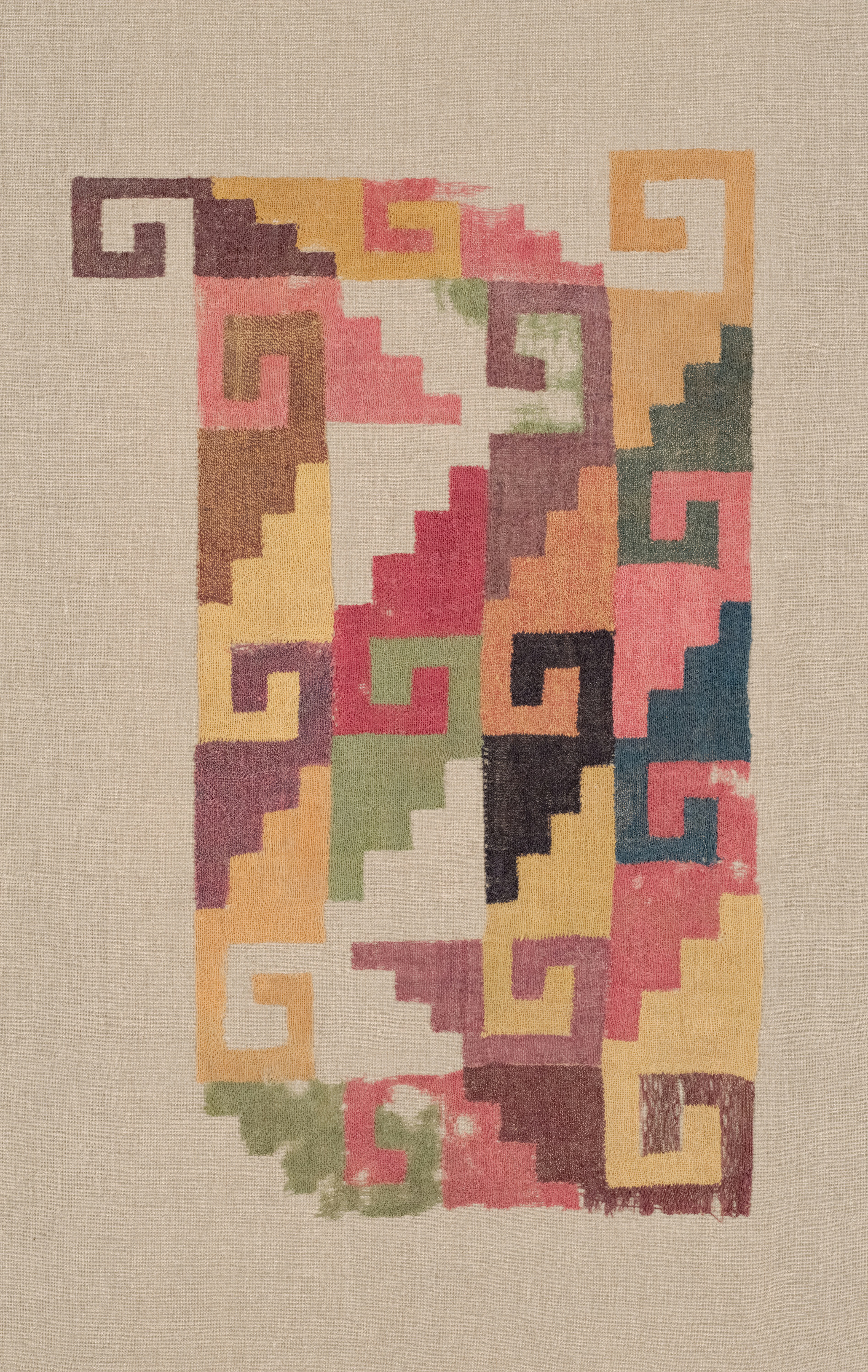
Creating a custom rug begins with a spark of artistic inspiration. Skilled artisans translate initial design concepts into detailed graphs, mapping out each knot's placement and color with mathematical precision. These graphs serve as blueprints, guiding weavers through the intricate creation process.
The rug making journey unfolds in distinct stages:
1. Design Development (2-3 weeks)
- Hand-drawing initial sketches
- Converting designs to detailed graphs
- Color selection and yarn preparation
2. Initial Weaving Phase (4-6 weeks)
- Setting foundation rows
- Establishing pattern rhythm
- Regular quality checks
3. Main Pattern Creation (3-6 months)
- Knot-by-knot pattern development
- Color transitions
- Pattern symmetry maintenance
4. Border Development (2-4 weeks)
- Intricate border detailing
- Pattern completion
- Edge finishing
A single 8x10 hand-knotted rug requires 600-800 hours of focused craftsmanship. Master artisans work 6-7 hours daily, carefully placing each knot to bring the design to life. The creation process demands unwavering concentration, as a single misplaced knot can disrupt the entire pattern.
You'll find artisans using specialized tools throughout the process:
- Talim: Traditional pattern-reading tools
- Scissors: For precise yarn cutting
- Beating tools: For knot compression
The time investment varies based on:
- Pattern complexity
- Knot density (ranging from 100-1000 knots per square inch)
- Rug size
- Number of colors used
Each stage builds upon the previous, creating a masterpiece that reflects generations of inherited craftsmanship and artistic vision.
Finishing Touches and Quality Control: Ensuring Excellence in Hand-Knotted Rugs
The journey of a hand-knotted rug doesn't end at the loom. Each piece undergoes rigorous quality control measures to meet strict industry standards. Professional artisans inspect every inch of the rug, identifying imperfections in knots, patterns, or color consistency.
Essential Quality Control Steps:
- Pile height uniformity check
- Pattern symmetry verification
- Knot density assessment
- Color bleeding tests
- Structural integrity evaluation
The finishing process includes specialized treatments to enhance the rug's appearance and durability. A precise washing technique removes excess dye and softens the fibers, bringing out the natural sheen of materials. Skilled craftsmen then trim the pile to the exact specifications, creating crisp pattern definition.
Proper Care Guidelines for Longevity:
- Rotate your rug every 6-12 months
- Vacuum regularly using appropriate settings
- Address spills immediately with gentle blotting
- Keep away from direct sunlight
- Use professional cleaning services annually
Hand-knotted rugs require specific maintenance approaches based on their materials and construction. Wool rugs benefit from regular brushing to prevent matting, while silk pieces need extra gentle handling. Professional cleaning services use specialized techniques that preserve the rug's natural oils and fiber integrity.
The quality control process includes documentation of the rug's specifications, including:
- Knot count per square inch
- Material composition
- Dye sources
- Region of origin
- Weaving technique used
These meticulous finishing steps and quality controls transform raw craftsmanship into museum-worthy pieces that grace your living spaces. Each inspection point ensures your investment maintains its beauty and value through generations of use.
For those looking to enhance their home with such exquisite craftsmanship, exploring options like 10x14 hand-knotted rugs can be a great start. These rugs, with their timeless designs and top quality, are perfect for adding elegance and charm to any space in your home.
The Cultural Significance and Artistry Behind Hand-Knotted Rugs
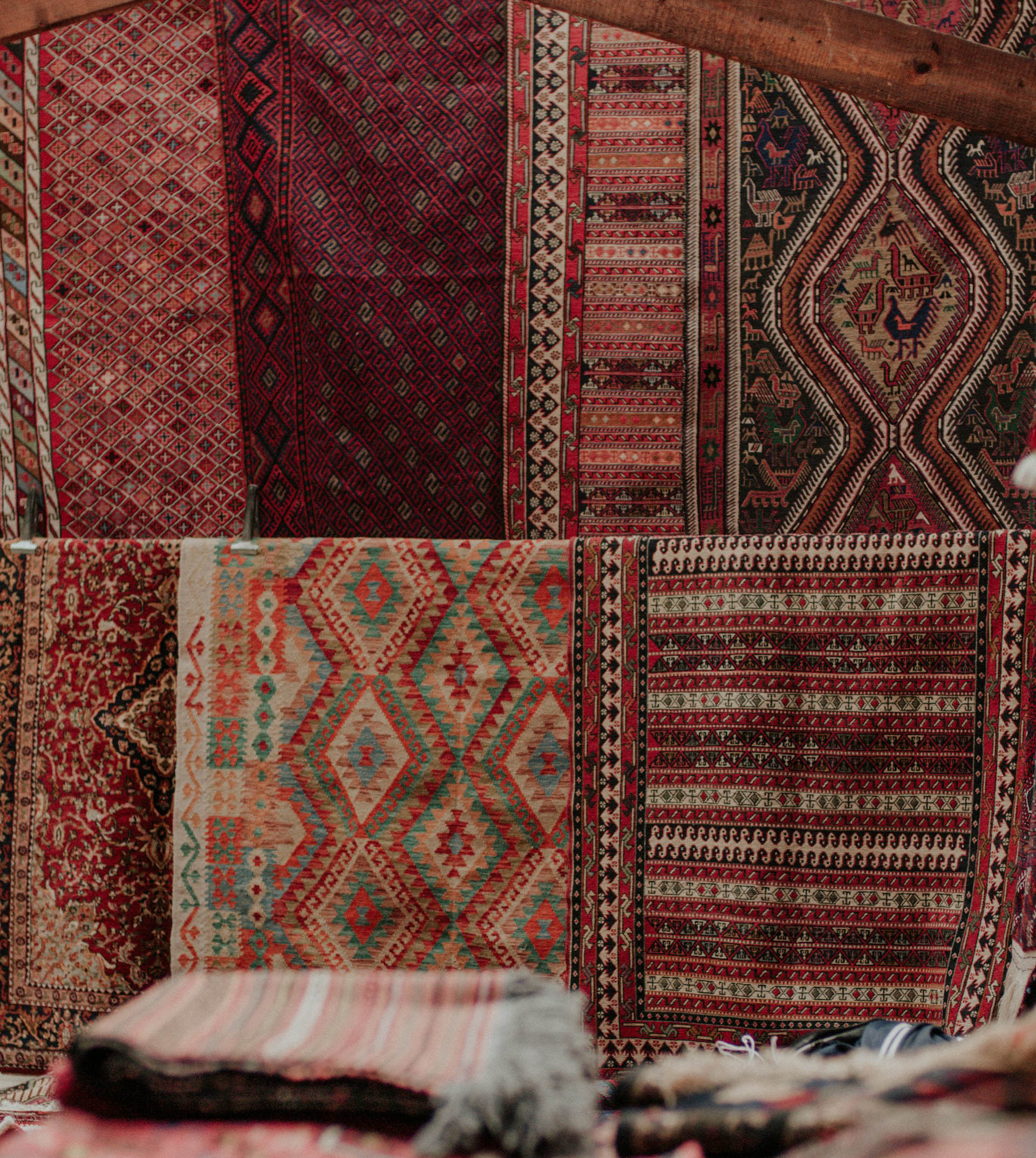
Hand-knotted rugs are more than just decorative pieces; they are works of art that carry stories and history within their intricate designs. With origins dating back to the nomadic tribes of Central Asia, these rugs have been crafted for over 5,000 years and are considered one of the oldest forms of artistic expression known to humanity.
Regional Influences in Rug Making
Each region where hand-knotted rugs are made has its own unique style and techniques that are reflected in the designs:
- Persian Rugs: Known for their intricate floral patterns and medallion designs, Persian rugs often feature the Gul Farang motif - a European flower interpretation that symbolizes the cultural exchange along the Silk Road
- Turkish Rugs: Distinguished by their bold geometric patterns and rich color palettes, incorporating symbols of protection and fertility from ancient Anatolian culture
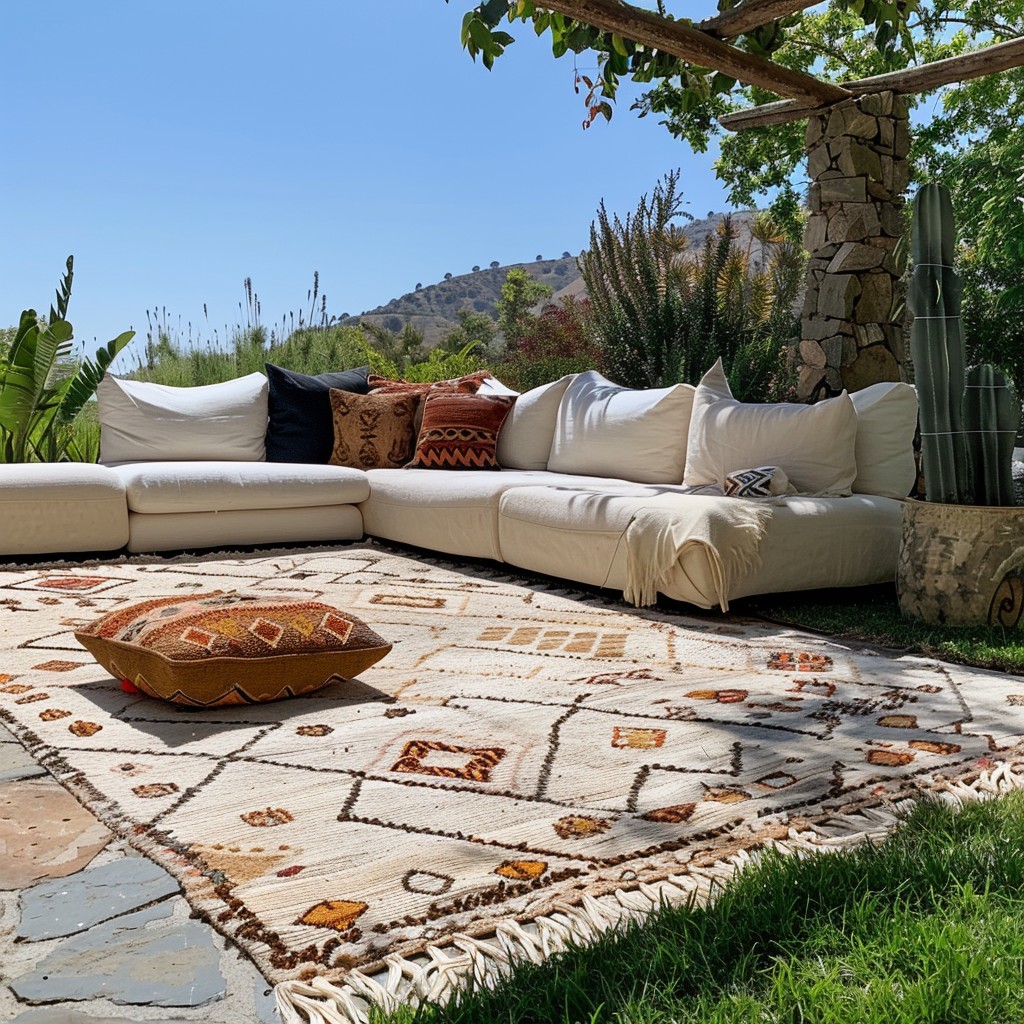
- Moroccan Rugs: Characterized by abstract designs and tribal symbols, these rugs reflect the Berber traditions with their distinctive diamond shapes and linear patterns
Symbolism Woven into Every Knot
The artistry behind hand-knotted rugs goes beyond aesthetics; it also carries deep cultural meanings:
- Prayer rugs feature mihrab designs pointing toward Mecca
- Tribal rugs display protective symbols against evil spirits
- Wedding rugs incorporate motifs of fertility and prosperity
These symbols serve as a visual language, conveying messages and beliefs that have been passed down through generations.
Craftsmanship Passed Down Through Generations
The techniques used in rug making are not only an art form but also a testament to the skills and knowledge passed down from one generation to another:
- The asymmetrical Persian knot creates detailed curvilinear designs
- The symmetrical Turkish knot produces bold geometric patterns
- The Tibetan loop knot allows for unique textural effects
These methods require immense skill and patience, with artisans spending months or even years creating a single rug.
A Living Museum Piece
Hand-knotted rugs are more than just decorative items; they are living museum pieces that preserve history, culture, and artistry. Each rug tells a story of its origin - the people who made it, their traditions, beliefs, and experiences.
As you admire these masterpieces adorning homes around the world today, remember that behind every knot lies centuries of cultural evolution, trade influences, and artistic innovation.
Incorporating Hand-Knotted Rugs into Your Home Decor: A Guide for Design Enthusiasts
Selecting the perfect hand-knotted rug transforms your living space into a harmonious sanctuary. Here's your practical guide to choosing and placing these artistic masterpieces:
1. Size Selection
- Allow 18-24 inches of bare floor between your rug and walls
- For living rooms, ensure all furniture legs rest on the rug. Consider exploring some unique living room rugs that feature bohemian, kilim, and modern styles, perfect for large spaces and cozy living areas.
- In dining areas, choose a rug extending 24 inches beyond the table edges
2. Color Harmony
- Pick 2-3 colors from your existing decor
- Use the rug's secondary colors in throw pillows and accessories
- Light-colored rugs create an illusion of space
- Deep, rich tones add warmth and intimacy
3. Pattern Selection Based on Room Style
- Minimalist Rooms: Geometric patterns or solid colors
- Traditional Spaces: Intricate florals and medallion designs
- Eclectic Settings: Bold, abstract patterns
- Modern Interiors: Subtle, tone-on-tone designs
4. Strategic Placement Tips
- Center your rug under the main seating arrangement
- Create conversation areas by layering smaller rugs
- Use runners to define pathways and transitions
- Position the rug's focal point where it's most visible
Hand-knotted rugs serve as anchor pieces in your design scheme. Their intricate patterns create visual interest while their rich textures add depth to your space. These artisanal pieces work as natural focal points, drawing the eye and unifying disparate elements within your room's design.
Consider your rug's placement early in your design process. Its colors and patterns can inspire your entire room's palette, from wall colors to accent pieces. A well-chosen hand-knotted rug doesn't just cover your floor - it sets the foundation for your room's entire aesthetic identity.
Popular Types and Sizes Of Hand-Knotted Rugs You Should Know About
Hand-knotted rugs come in distinct styles, each carrying unique cultural signatures and artistic elements.
1. Persian Rugs
- Known for intricate floral patterns and medallion designs
- Rich color palettes featuring deep reds, blues, and golds
- Crafted using asymmetrical Persian knots
- Popular in formal living spaces and traditional interiors
2. Turkish Rugs
- Feature geometric patterns and bold motifs
- Created using symmetrical Ghiordes knots
- Blend warm earth tones with vibrant accent colors
- Ideal for both modern and classic room designs. Explore some unique handwoven Turkish rugs here.
3. Moroccan Rugs
- Characterized by abstract, tribal patterns
- Simple color schemes with black and white combinations
- Plush, high pile texture
- Perfect for contemporary and bohemian spaces. Discover more about handmade Moroccan rugs with iconic Berber patterns.
4. Standard Rug Sizes Guide
Living Room Sizes
- 8x10: Suits medium living rooms.
- 9x12: Perfect for larger seating arrangements.
- 10x13: Ideal for spacious open-plan areas. Explore our collection of 10x13 handwoven rugs featuring unique geometric and vintage patterns.
Dining Room Sizes
- 8x11: Accommodates 6-8 person dining tables
- 8x12: Suitable for rectangular dining spaces
- 10x12: Fits larger dining room setups
Oversized Options
- 9x12 and larger: Creates dramatic impact in grand spaces
- Custom sizes available for unique room dimensions
Each size serves specific purposes in your home layout, with larger rugs anchoring furniture groupings and smaller ones defining intimate spaces within rooms.
Conclusion
A hand-knotted rug is a true work of art, showcasing skillful craftsmanship and timeless design. These exquisite pieces, ranging from detailed Oushak rugs to spacious dining room rugs, have the power to transform any room into a stylish and inviting sanctuary.
Investing in a hand-knotted rug goes beyond simply covering your floors. Each rug carries its own story, expressed through:
- Enduring Quality: Hand-knotted rugs improve with age, becoming cherished family heirlooms.
- Artistic Value: Every knot represents hours of skilled craftsmanship.
- Versatility: Large area rugs seamlessly adapt to various design schemes.
- Natural Materials: Pure wool and silk create healthy, sustainable living spaces.
Whether you choose an Oushak rug for your living room or a striking centerpiece for your dining room, a hand-knotted rug brings warmth, elegance, and cultural richness into your home. These rugs do more than just decorate; they enhance your space with their genuine beauty and time-honored crafting traditions.
The process of creating a hand-knotted rug is a journey that involves skilled artisans pouring their expertise into every piece. From the loom to your living room, this journey represents an investment in artistry, tradition, and timeless sophistication. Your hand-knotted rug becomes an integral part of your home's narrative, enriching your environment with its presence for generations to come.
FAQs (Frequently Asked Questions)
What is the process behind creating a hand-knotted rug?
Crafting a hand-knotted rug involves several time-honored steps including design development, loom setup, warping, knot-by-knot weaving, border detailing, and finishing touches. Each phase requires precision and patience to transform simple materials into exquisite works of art.
Why are hand-knotted rugs considered luxurious and valuable?
Hand-knotted rugs are valued for their artisanal craftsmanship, unique designs, use of premium yarns like wool, natural dyes, and the intricate traditional weaving techniques passed down through generations. Their complexity and cultural significance make them true masterpieces.
How do artisans incorporate traditional weaving techniques in hand-knotted rugs?
Artisans employ time-tested methods such as precise knotting on a loom, inserting weft threads between rows, and detailed pattern creation. These traditional techniques ensure each rug carries cultural symbolism and artistry woven into every knot.
What materials and dyes are commonly used in high-quality hand-knotted rugs?
Premium hand-knotted rugs use high-quality wool yarns renowned for durability and softness. Natural dyes derived from plants and minerals provide rich, lasting colors that contribute to the rug's exceptional quality and aesthetic appeal.
How can I care for my hand-knotted rug to maintain its beauty over time?
To preserve your hand-knotted rug's charm, regular gentle cleaning, avoiding direct sunlight exposure, rotating the rug periodically to distribute wear evenly, and professional maintenance when needed are essential steps in caring for this investment piece.
What should I consider when incorporating a hand-knotted rug into my home decor?
When selecting a hand-knotted rug for your home, consider size—allowing 18-24 inches of bare floor around it—color harmony by choosing 2-3 colors from existing decor, pattern style suited to your room's theme (geometric for minimalist or floral for traditional), and strategic placement under main seating areas to create cohesion.

Too small, and your chairs catch on the edge every time someone stands up. Too big, and the room can feel cramped or oddly “wall-to-wall.” Off-center by a few inches,...

It’s the most common mistake in interior design: purchasing a beautiful, high-quality rug only to realize it looks like a "postage stamp" floating in the middle of the room. Don't...

Knowing where to buy vintage rugs is just as important as choosing the right design. Vintage rugs are unique, handmade pieces with history, character, and long-term value—but only when purchased...

What Is Abrash? Understanding Natural Color Variation in Handmade Rugs Handmade rugs carry stories that machine-made carpets simply cannot replicate. One of the most distinctive characteristics of traditional rugs is...

When you walk into a Turkish home, you'll notice something immediately: rugs everywhere. These aren't just floor coverings—they're pieces of living history, woven with centuries of tradition and cultural identity....

Vintage rugs are hand-woven textiles typically 20 to 100 years old, carrying the marks of time through their faded colors, worn patterns, and lived-in character. These pieces—whether you're drawn to...

Introduction Authentic Persian rugs are one of the greatest artistic achievements in history. They combine centuries of cultural heritage with unmatched skill. Each handwoven piece tells a story, showcasing the...

You've likely seen overdyed rugs in design magazines or trendy interiors, their rich colors and vintage patterns are noticed. These striking pieces blend old craftsmanship with modern style. Vintage and...


